Discover Flooring Services That Provide Quality Installation and Maintenance Solutions
Professional flooring services are instrumental in elevating both the beauty and longevity of areas. They deliver expert installation and maintenance approaches suited to different flooring types. Understanding the complexities of these services is vital for homeowners looking for long-lasting results. However, many neglect the significance of professional experience and the common mistakes that can develop. What factors should be considered when selecting the right flooring service? The answer may surprise you.
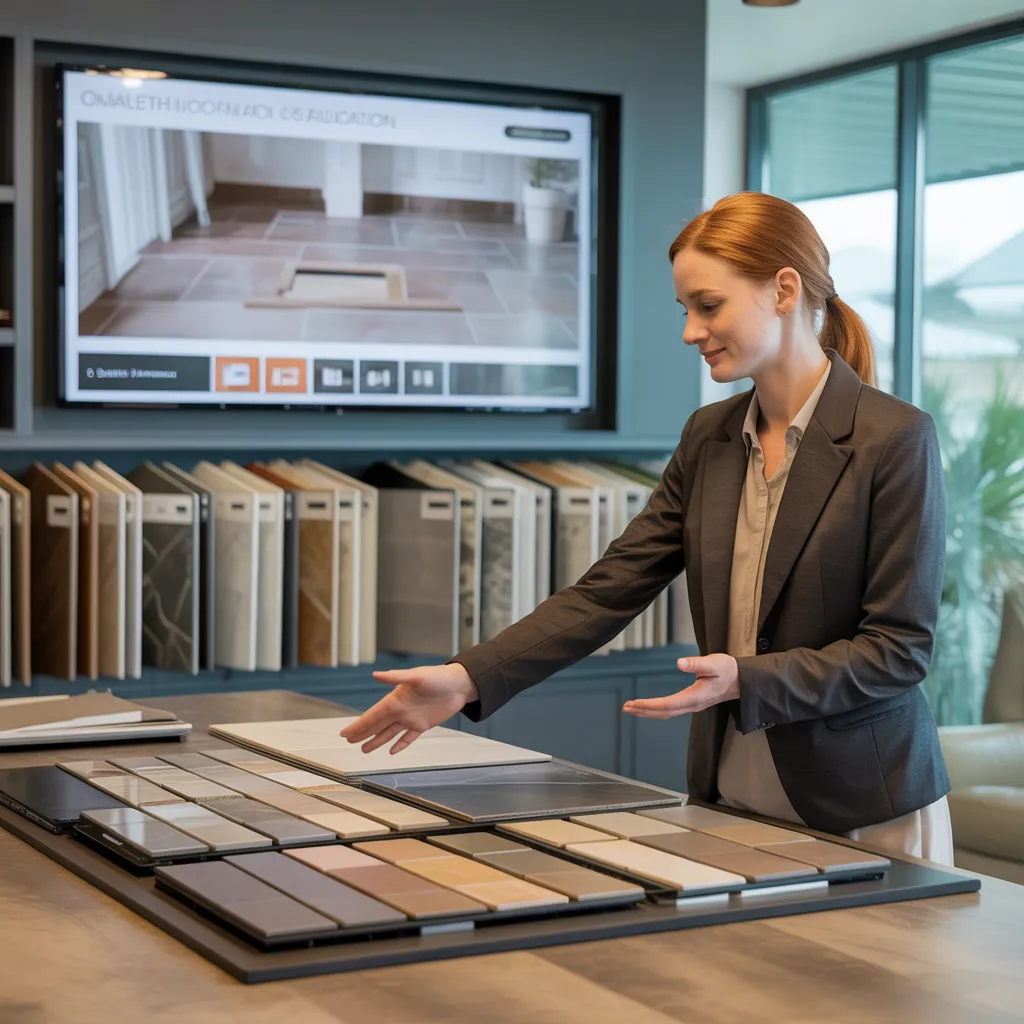
Learning About Various Flooring Options
In selecting the ideal flooring, it is vital to understand the multiple types available, as each option brings distinct benefits and aesthetics. Hardwood flooring, celebrated for its timeless beauty, gives warmth and durability, making it a popular choice for residential spaces. Laminate flooring mimics the appearance of wood or stone, presenting an affordable alternative that is resilient against scratches and stains. Vinyl flooring is versatile and waterproof, fitting for high-moisture areas like kitchens and bathrooms.
Available in ceramic or porcelain options, tile flooring is appreciated for its resilience and effortless care, commonly installed in both indoor and outdoor environments. With its plush feel, carpet brings coziness and warmth to residential spaces, though it needs consistent cleaning and upkeep. Each type of flooring offers specific attributes that serve diverse preferences and practical demands, underscoring the significance of deliberate assessment when making a selection.
The Importance of Professional Installation
Although several homeowners may consider a DIY approach to flooring installation, the benefits of hiring professionals cannot be overstated. Professional installers offer a wealth of knowledge and skill that can greatly elevate the quality of the finished product. They are skilled in handling diverse flooring materials and understand the complexities of proper installation techniques. This skill assures that the flooring is laid correctly, limiting the risk of complications such as warping, uneven surfaces, or misalignment.
Furthermore, professional installation often provides warranties, providing peace of mind for homeowners. These warranties address potential issues that may develop post-installation, further securing the investment. In addition, professionals typically have access to specialized tools and equipment, which can allow for a more efficient and accurate installation process. Overall, hiring experienced flooring professionals not only guarantees a superior outcome but also saves homeowners time and potential frustration associated with improper DIY attempts.
Essential Service Guidelines for Extended Lifespan
Appropriate installation sets the foundation for flooring durability, but routine maintenance is critical to maintaining its look and functionality over time. Homeowners should develop a routine cleaning schedule tailored to their particular flooring type, using proper cleaners to prevent damage. Regular sweeping or vacuuming can keep dirt and debris from damaging surfaces.
Furthermore, taking care of spills promptly aids in prevent stains and moisture damage. For hardwood floors, employing a damp mop from time to time can improve shine and eliminate grime without excessive water exposure.
It's equally useful to add defensive barriers to surfaces as indicated by the manufacturers. Laying floor mats at entryways can greatly decrease wear from foot traffic.
Finally, regular professional inspections and maintenance can uncover potential issues prior to they escalate, making sure that the flooring continues in prime condition for many years. Sticking to these vital maintenance tips can notably extend the durability of numerous flooring types.
Choosing the Correct Flooring Service
When choosing a flooring service, it is important to evaluate particular flooring needs to ensure the best fit for a space. Analyzing multiple installation techniques can indicate which methods align with project goals, while evaluating maintenance options helps identify long-term care requirements. These considerations comprise the foundation of making an knowledgeable and effective choice.
Assessing Your Flooring Specifications
What methods help homeowners accurately determine their flooring requirements? To ensure smart decision-making, they must first evaluate the specific requirements of each room in their home. This includes considering factors such as usage patterns, moisture levels, and visual preferences. Homeowners should examine the upkeep needs and durability of various flooring materials, considering the pros and cons of options like hardwood, laminate, carpet, or tile. Moreover, they should factor in their budget and future financial objectives. Conducting research on current styles and seeking counsel from flooring professionals can further illuminate choices. In the end, a complete evaluation of daily routines, family dynamics, and future plans empowers homeowners to select the most suitable flooring solution customized for their unique needs.
Comparing Implementation Procedures
Which installation approach will best suit the homeowner's needs? Homeowners need to consider different flooring installation approaches to establish the most suitable for their space and lifestyle. Typical methods include glue-down, nail-down, floating, and click-lock installations. Glue-down approaches deliver a strong bond, ideal for high-traffic areas, while nail-down installations are excellent for hardwood floors, guaranteeing stability. Floating and click-lock systems deliver more straightforward installation and are perfect for DIY enthusiasts, accommodating natural expansion and contraction. Homeowners should also evaluate the subfloor type, moisture levels, and desired aesthetic when picking a technique. Ultimately, the choice of installation technique can significantly impact the longevity and performance of the flooring, making it essential to seek advice from experienced flooring professionals for guidance.
Assessing Maintenance Choices
Selecting the appropriate flooring service requires thoughtful consideration of maintenance options that correspond to the homeowner's lifestyle and flooring type. Various flooring materials need varied maintenance approaches; for example, hardwood floors may need periodic refinishing, while tiles need grout cleaning. Homeowners should assess whether they prefer low-maintenance solutions or are willing to dedicate time in upkeep.
Furthermore, understanding the provider's offerings is essential. Some flooring services deliver thorough maintenance packages that include periodic cleaning and inspections, while others may concentrate solely on installation. Reviewing customer reviews and asking for recommendations can assist in finding reliable services known for their maintenance expertise. In the end, selecting a flooring service that provides tailored maintenance get the full story solutions secures the longevity and aesthetic appeal of the flooring investment.
Common Flooring Installation Errors to Avoid
Flooring installation can transform any space dramatically, but it is crucial to avoid common pitfalls that can cause costly mistakes. One typical error is failing to acclimate the flooring materials to the area's temperature and humidity, which can result in warping or buckling over time. Moreover, improper subfloor preparation can result in uneven surfaces and premature wear. Failing to measure accurately can cause insufficient materials, leading to delays and added costs. Another common mistake is ignoring the need for expansion gaps, which are critical for allowing the flooring to expand and contract with temperature changes. Finally, cutting corners with underlayment can affect sound insulation and moisture protection. By understanding these pitfalls, homeowners can ensure a smoother installation process and enjoy their new flooring for years to come.
Advantages of Routine Flooring Maintenance
Regular flooring maintenance is crucial for preserving the visual and functional qualities of any flooring type. By establishing a systematic upkeep schedule, property owners can increase the lifespan of their floors, ensuring they remain visually appealing and structurally sound. Regular cleaning, such as sweeping and mopping, stops dirt and debris buildup, which can lead to scratches and discoloration.
In addition, scheduled inspections and basic repairs address issues prior to they escalate, avoiding significant costs on extensive repairs or replacements. Maintenance also increases safety by reducing slip hazards caused by worn-out surfaces. Moreover, routine care can elevate indoor air quality by extracting allergens caught in flooring materials. In general, the perks of regular flooring maintenance go beyond mere appearance; they promote a healthier environment, improved property value, and improved comfort for occupants. Dedicating time and resources in maintenance generates notable long-term gains for any flooring investment.
FAQ
What Credentials Should I Seek in a Flooring Service Provider?
When choosing a flooring service provider, look for certifications such as the National Wood Flooring Association (NWFA), Certified Floorcovering Installer (CFI), and other relevant industry certifications that demonstrate professionalism and expertise in the installation and upkeep of flooring.
How Much Time Does Flooring Installation Usually Require?
Flooring installation typically requires anywhere from one to three days, contingent upon the area size and the flooring type. Factors such as preparatory work and drying duration will also impact the total timeline.
Are There Warranties Available for Flooring Services?
Yes, many flooring services offer warranties that cover installation and product defects. These warranties have varying durations and terms, so it remains vital for customers to assess specific details before reaching a final decision.
Can I Install New Flooring Over Existing Floors?
Yes, new flooring can often be installed over existing floors, provided the underlying surface is both level and well-maintained. However, it's crucial to speak with a flooring professional to verify compatibility and prevent possible problems.
What Payment Methods Do Flooring Services Typically Accept?
Flooring services typically offer various payment options, including financing arrangements, credit cards, cash, and payment plans. Many also offer special rates for immediate payment or exclusive offers, accommodating varied client payment preferences and circumstances.